
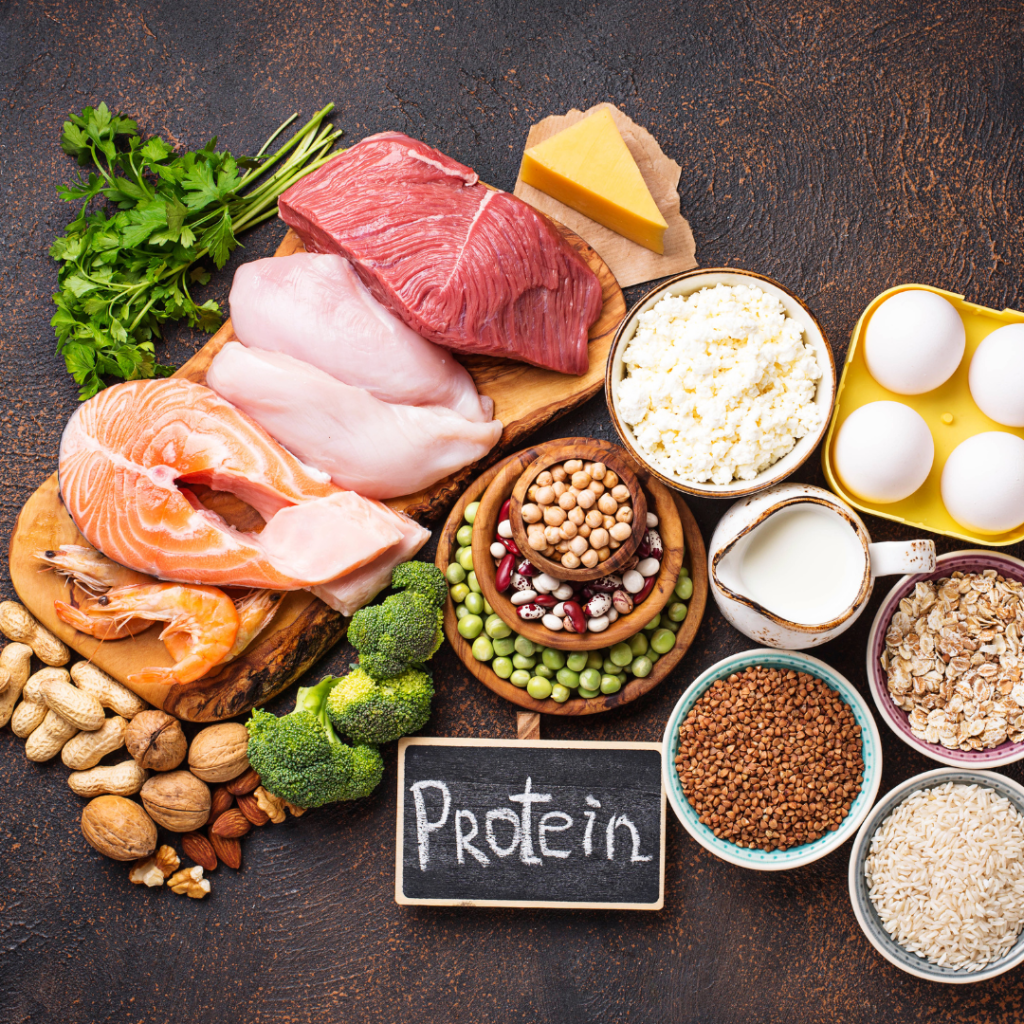
Are You Eating Enough Protein for Your Metabolism?”

Why Protein Becomes Increasingly Important for Metabolic Health as We Age
Protein has become a popular topic online, but behind the trends there is an important metabolic conversation.
Protein isn’t simply for bodybuilders.
Your body needs protein to maintain muscle, produce enzymes and hormones, support immune function, repair tissues and provide the amino acids needed for numerous biochemical processes.
And as we get older, maintaining adequate protein intake becomes increasingly important.

Protein and Your Metabolism
Protein has several advantages when we’re trying to support metabolic health.
It generally produces greater satiety than carbohydrate or fat, helping you feel satisfied after meals.
Your body also uses energy to digest and process the food you eat—known as the thermic effect of food—and this effect is higher for protein than for carbohydrate or fat.
But arguably its most important metabolic role is helping preserve muscle.
Muscle is metabolically active tissue and plays an important role in glucose regulation.
If someone repeatedly loses weight through restrictive dieting but also loses significant muscle, their metabolic picture may not improve in the way they expect.

Why Midlife Women Need to Think About Protein
Maintaining muscle becomes more challenging with age.
Add perimenopause, menopause, busy lifestyles, inadequate resistance exercise and years of dieting, and some women gradually lose significant lean mass without realising it.
This can contribute to reduced strength and changes in body composition.
It is one reason why I don’t like metabolic programmes centred solely around restriction.
We need to think about what we’re adding to support the body—not just what we’re removing.

More Protein Isn’t Automatically Better
This doesn’t mean everyone should start consuming enormous quantities of protein.
Your requirements depend on factors including your age, size, activity level, health, dietary pattern and goals.
Quality and distribution across the day matter too.
And this is where personalised nutrition becomes very different from following whatever diet happens to be trending online.

How the Metabolic Balance Method Helps
Within the Metabolic Balance Method, your nutrition strategy is considered alongside your genetics, metabolic health, activity, hormones, gut function and individual requirements.
We’re building meals that support satiety, muscle, energy and metabolic function—not simply chasing the lowest possible calorie intake.

Struggling with Hunger?
If you’re eating “healthily” but still struggling with hunger, muscle loss, energy or weight changes, your nutrition may need a more personalised approach.
Book your Initial Consultation with Sinéad today for just €185 and let’s look at what your body actually needs.
Share this article …
Share on facebook
Facebook
Share on twitter
Twitter
Share on linkedin
Linkedin
Share on email
Email
Share on whatsapp
Whatsapp