

Header: Understanding Sulphite Sensitivity: Symptoms, Triggers, and How to Reduce Reactions

If you’ve ever enjoyed a glass of wine, dried fruit, or a convenient pre-packaged meal only to experience flushing, headaches, itching, fatigue, stomach upset or breathlessness afterward, you may be reacting to sulphites. And you’re not alone — sulphite sensitivity is far more common than most people realise.
For many of my clients, sulphite reactions show up after years of unexplained symptoms. These symptoms often overlap with histamine intolerance, MCAS, and long-term post-viral dysregulation — which is why sulphite sensitivity goes undiagnosed for so long.
In fact, sulphite reactions are one of the topics I explore deeply in my new book, When Your Body Overreacts, now available on Amazon.
Let’s break down what sulphites are, why they cause reactions, and how you can support your system more effectively.
What Are Sulphites?
Sulphites (or sulfites) are preservatives used to prevent browning, extend shelf life, and inhibit bacterial growth. They appear naturally in fermented foods and are added to many packaged or restaurant foods.
You may find sulphites in:
Wine (especially white and sparkling)
Dried fruit
Pickles & jarred foods
Fruit juices
Soft drinks
Processed meats
Ready-made sauces & gravies
Biscuits, crackers, & dough conditioners
Kombucha and fermented foods
Some medications
For most people, sulphites cause no issues.
But for sensitive individuals — especially those with asthma, histamine intolerance, MCAS or methylation imbalances — sulphites can trigger a cascade of symptoms.
Why Sulphite Sensitivity Happens
Sulphite sensitivity isn’t about “intolerance” alone — it’s actually about your ability to process sulphur efficiently.
This becomes harder when:
your sulphur pathways (CBS, CTH, SUOX) are overwhelmed
your detox pathways are sluggish
your DAO and histamine pathways are under pressure
your gut is inflamed
you’ve had post-viral changes
your nervous system is dysregulated
your genetics predispose you to poor sulphite clearance
When this pathway becomes overloaded, sulphites can build up in the system, triggering symptoms that look like:
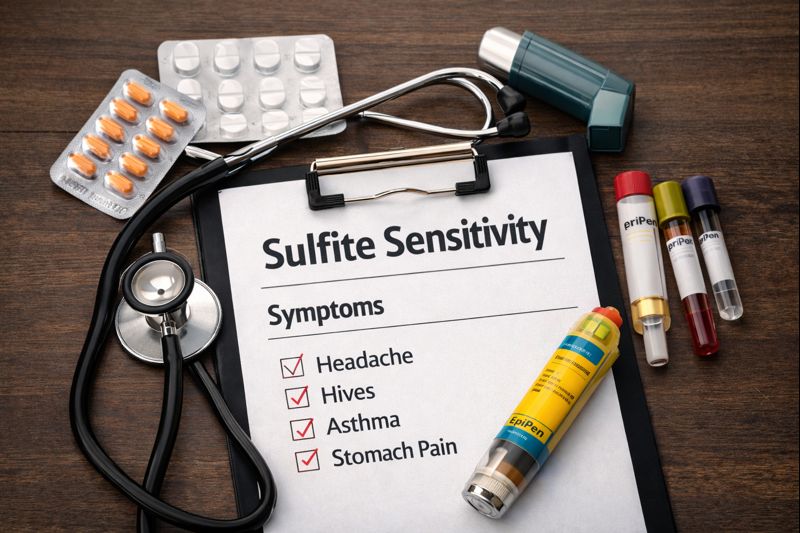
headaches & migraines
flushing
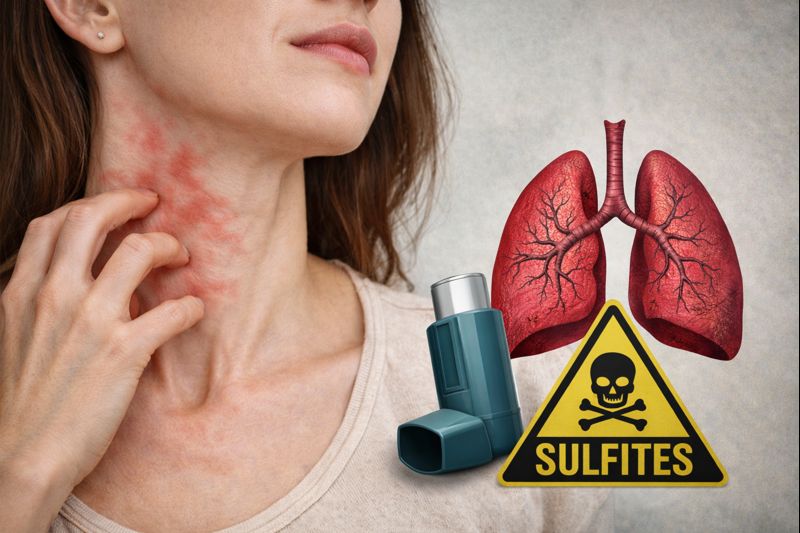
rashes, itching, hives
wheezing or chest tightness
diarrhoea, nausea or cramping
dizziness
fatigue
hot flashes
heightened anxiety
sensitivity to alcohol
These reactions can feel frightening — especially when you don’t know what’s causing them.
Sulphites, MCAS and Histamine: The Hidden Connection
What many don’t realise is that sulphites can activate mast cells, triggering histamine release.
This means sulphite sensitivity often overlaps with:
MCAS (Mast Cell Activation Syndrome)
Histamine intolerance
Post-viral inflammation
Perimenopause & hormonal changes
Long Covid-related immune changes
This is why some people react to wine some days but not others — your bucket may simply be full.
I speak extensively about this “body overload pattern” in When Your Body Overreacts, helping you understand what’s happening underneath your symptoms.
How to Reduce Sulphite Reactions
Sulphite sensitivity can be greatly reduced when the underlying pathways are supported.
Here’s where we begin:
1. Lower Your Sulphite Load
Reduce high-sulphite foods temporarily while your system resets.
2. Support Sulphur Pathways (Gently!)
You must be careful here — aggressive detox can make symptoms worse.
Gentle supports often include:
Vitamin C (if tolerated)
Molybdenum
Magnesium
NAC (if tolerated)
B-vitamins
Low-sulphur vegetables initially
(This is highly individual — never self-supplement without guidance.)
3. Strengthen the Gut
Most sulphite reactions worsen when the gut barrier is inflamed.
4. Calm the Nervous System
Sulphite reactions are magnified when your Stress Axis is overloaded — especially in perimenopause.
5. Support Methylation
This is essential for long-term stability, especially if CBS or CTH pathways are affected.
How I Support Clients With Sulphite Sensitivity
At Health 4 U, I take a root-cause approach:
full health history
nervous system assessment
gut review
hormonal and metabolic profiling
genetic insights (CBS / CTH / SUOX / methylation)
personalised nutritional & supplement strategy
pathway-safe detox support
No two clients are the same — sulphite sensitivity is complex, and cookie-cutter plans often do more harm than good.
If you want a deeper understanding of sulphite sensitivity, mast cell activation and why your body suddenly began to “overreact,” my book When Your Body Overreacts is an essential next step & available on Amazon. Get your Copy Here
Ready to Get Support?
If sulphite sensitivity is affecting your daily life, your confidence, or your relationship with food, you don’t need to navigate this alone.
Book your Initial Consultation with Sinéad
and let’s start rebuilding your system gently, safely and scientifically.

Ready to Understand Your Motivation Profile?
If staying consistent with exercise has always felt harder than it should, personalised insight can make all the difference.
Book your consultation today and discover how your genes can support sustainable motivation, metabolic health and long-term wellbeing.