
Why Your Body Overreacts During Stress and Hormonal Change

Many people struggle to understand why their body overreacts to foods, stress or hormonal changes, especially when symptoms seem to appear suddenly.
Symptoms like flushing, headaches, palpitations, itching, digestive issues or sudden anxiety seem to come out of nowhere. One day your body feels fine — and the next, you’re reacting to foods, supplements, smells, or even stress.
If you’ve ever wondered “Why is my body reacting to everything all of a sudden?”, the answer often lies in the powerful relationship between stress, hormonal changes, and mast cell activation.
And most people have never been told this.
When we explore why your body overreacts, we often find links between the nervous system, mast cells and chronic stress.
When Stress Sensitises Your Body
Your stress response is designed to protect you — but when it becomes overwhelmed or constantly activated, the nervous system shifts into a “high-alert” state. In this state, the body becomes more reactive to:
Foods
Alcohol
Temperature changes
Exercise
Supplements
Environmental triggers
Hormonal shifts
This creates what many describe as “my body overreacting,” even to things that were always tolerated before.
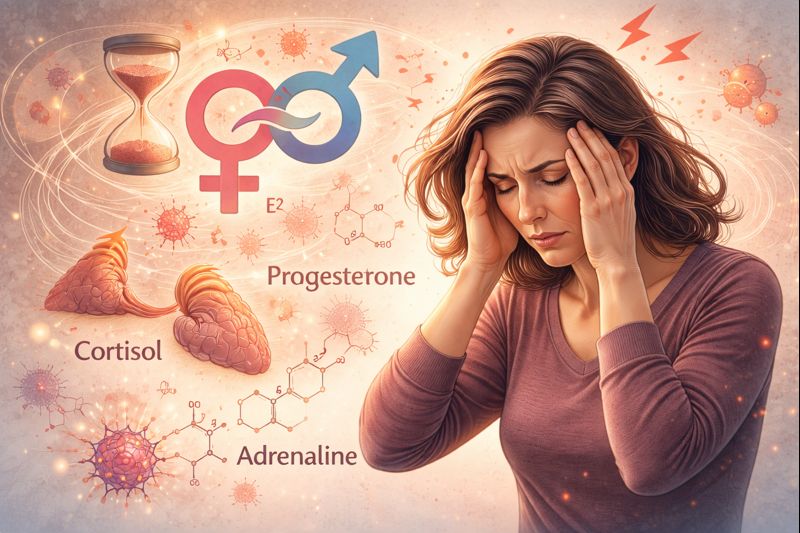
How Hormones Make Reactions Worse
Another reason why your body overreacts is the way histamine and immune signals become amplified during hormonal or post-viral changes.
Hormones and mast cells communicate constantly.
During perimenopause, post-viral recovery, or after prolonged stress, mast cells lose stability — meaning they release histamine and inflammatory chemicals more easily.
This leads to symptoms such as:
Sudden food sensitivities
Histamine flares
Palpitations
Itching or hives
Anxiety surges
Sleep disruption
Digestive upset
Dizziness
For women, falling oestrogen is a major trigger for increased mast cell activity — and this is why symptoms often begin between 35–55 years of age, even if they never existed before.
Why the Nervous System Is the Missing Link
Most people try to manage symptoms through diet alone — but the root driver is often a dysregulated nervous system.
A sensitised nervous system makes mast cells fire more easily, which releases more histamine, which increases inflammation… creating a loop.
Until the nervous system begins to feel safe again, symptoms can continue — even with a perfect diet.
The Cycle of Overreaction: How It Happens
Your body may begin reacting more when:
1. You’ve been under chronic stress
The system becomes hypervigilant.
2. You’ve had a viral illness (COVID, flu, EBV, etc.)
The immune system becomes reactive and slow to settle.
3. You’re in perimenopause
Hormone shifts destabilise mast cells.
4. Your gut is inflamed or leaky
More triggers enter the bloodstream.
5. Your detox or methylation pathways are overloaded
Histamine clearance slows down.
All of these can combine, building up until the body begins to “overflow,” creating the symptoms you now feel.
Supporting a Body That’s Overreacting
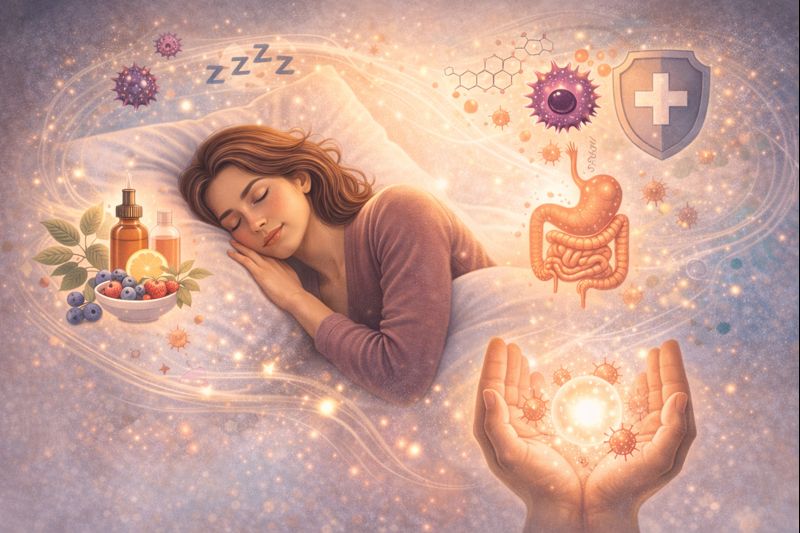
Calming reactivity requires a whole-body approach — not just removing triggers.
Here are key areas that help:
✓ 1. Nervous system regulation
Predictable routines, breathwork, grounding and stress reduction calm mast cell activity.
✓ 2. Gut support
When the gut heals, histamine and immune reactions calm.
✓ 3. Reducing inflammatory load
Temporarily lowering high-histamine or sulphite foods helps create breathing room.
✓ 4. Gentle detox pathway support
NOT aggressive detoxing — gentle, steady support stabilises the system.
✓ 5. Addressing hormonal shifts
Understanding perimenopausal patterns can significantly reduce reactivity.
✓ 6. Genetic insights
Your genes determine how well you process histamine, detoxify, and regulate inflammation.
This is why two people can eat the same food or take the same supplement — yet only one reacts.
Why You’re Not “Imagining It”
When reactions don’t show up on blood tests, people are often dismissed — but mast cell and histamine disorders are clinical, not always visible on labs.
Your symptoms are real.
Your body is communicating something.
And it can be stabilised with the right approach.
Want to Understand Your Body More Deeply?
I explain all of this — histamine, mast cells, nervous system overload, perimenopause, long Covid recovery and hidden sensitivities — in my new book:
👉 When Your Body Overreacts: A Compassionate Guide to Histamine Intolerance, MCAS, Sulphite Sensitivity, Long Covid and Nervous System Healing
(Available Here on Amazon)
Need Personalised Guidance?
If your symptoms are confusing, overwhelming or getting worse, you don’t have to figure it out alone.
🟩 Book Your Initial Consultation – Let’s Uncover What Your Body Is Trying to Tell You
Together, we’ll help calm your system and get you back to feeling like yourself again.