

Doing More Isn’t Always Better: The Power of Rest Days
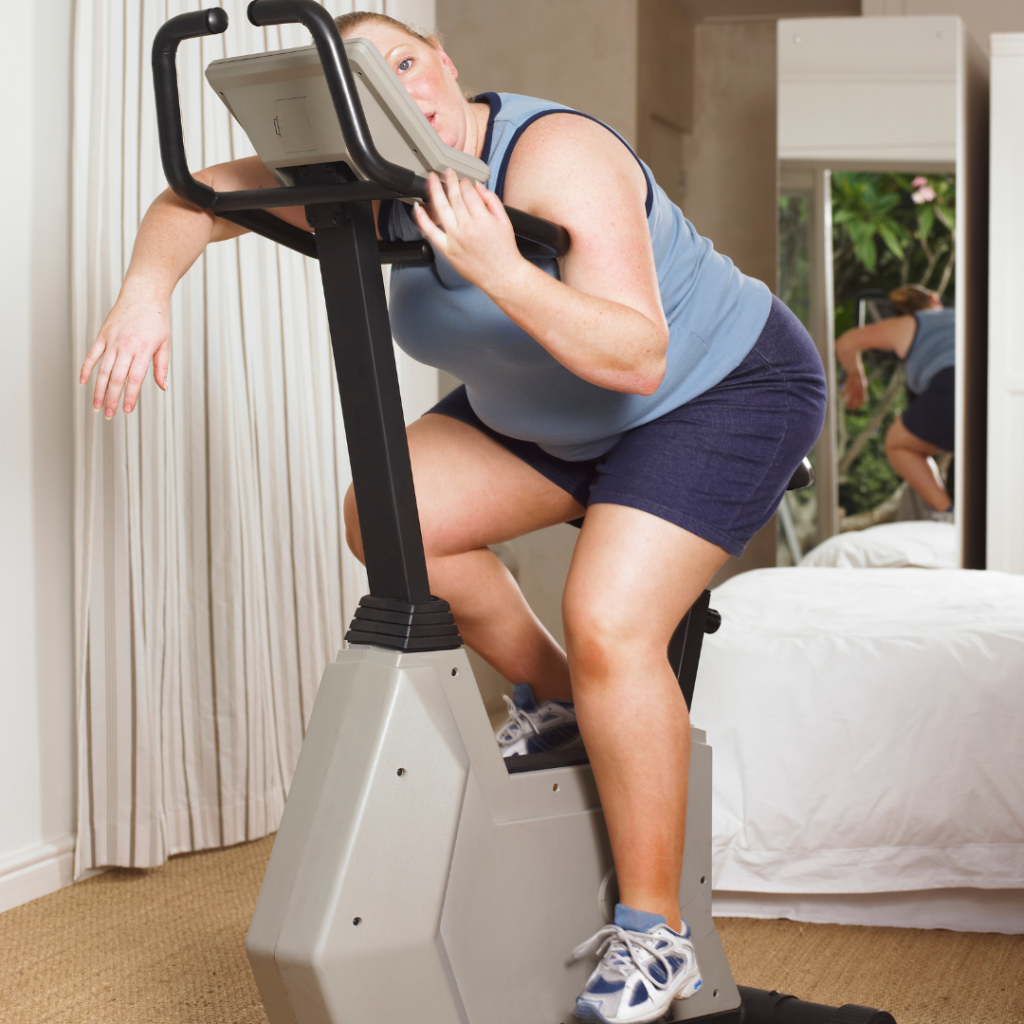
How Recovery Supports Fat-Burning, Hormones, Strength and Long-Term Metabolic Health
Many people believe results only come from pushing harder — more workouts, more steps, more discipline, more effort. But one of the most overlooked parts of metabolic health is recovery.
Your body does not get fitter, stronger, or healthier during the workout itself. It adapts afterwards — when it has enough rest, nourishment, and recovery support. Without that recovery window, progress can stall and symptoms like fatigue, cravings, poor sleep, or stubborn weight can start to appear.
Sometimes the smartest thing you can do for your metabolism is not another workout — it’s a strategic rest day.
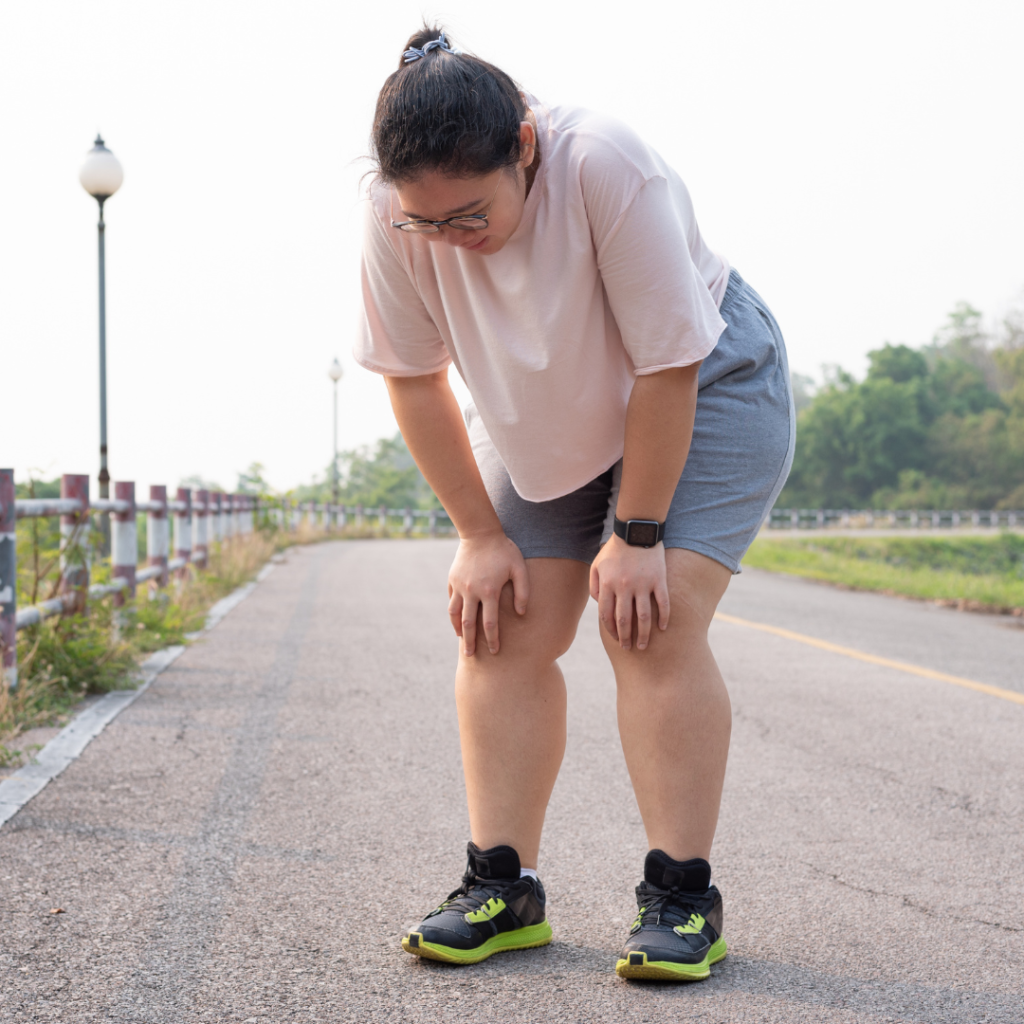
What Happens When You Never Recover Properly?
When training load stays high and recovery stays low, the body can interpret this as stress. Over time, this may contribute to:
- raised cortisol
- increased appetite
- reduced motivation
- poor sleep quality
- slower muscle repair
- water retention
- lowered performance
- higher injury risk
- fatigue
- stubborn weight plateaus
This is especially important for women navigating busy lives, perimenopause, hormonal shifts, or ongoing stress.

Why Recovery Matters for Metabolism
Recovery supports the systems that keep metabolism healthy:
✓ Muscle Repair – stronger muscle tissue improves insulin sensitivity and resting metabolic rate
✓ Hormone Balance – lower stress load can help regulate cortisol and appetite hormones
✓ Energy Production – mitochondria need recovery time too
✓ Nervous System Balance – shifting out of “fight or flight” supports digestion and fat-burning
✓ Consistency – rested people are more likely to stay active long term
Rest is not the opposite of progress. It is part of progress.

What a Rest Day Can Look Like
A rest day doesn’t have to mean lying on the couch all day (unless you need it). It can mean choosing movement that restores rather than depletes, such as:
- a gentle walk
- mobility work
- stretching
- yoga
- breathing exercises
- time outdoors
- an earlier bedtime
- hydration and nourishing meals
The goal is to lower stress while still supporting circulation, mood, and recovery.

How Personalised Testing Helps
Not everyone needs the same amount of exercise or recovery. Your genetics can reveal:
- recovery speed
- inflammation tendencies
- muscle damage susceptibility
- tendon or injury risk
- endurance vs power profile
- motivation to exercise
- stress resilience
This means your ideal programme may look very different from someone else’s — and that’s exactly why comparison often fails.

How the Metabolic Balance Method Uses Recovery
Inside the Metabolic Balance Method, we don’t just look at food and exercise. We look at the full picture:
- your energy levels
- your hormonal stage
- your recovery capacity
- your stress load
- your movement genetics
- your sleep quality
- your metabolic symptoms
From there, we create a plan that includes the right amount of movement and the right amount of recovery — because both are essential for lasting results.

Getting Nowhere?
If you’ve been pushing harder but getting nowhere, your body may be asking for a different strategy. Book your Initial Consultation with Sinéad today for just €185 and discover how personalised nutrition, movement and recovery can help your metabolism thrive.