Viral Infections and Gut Health: How COVID-19 and Other Viruses Can Trigger Histamine Reactions
Viral infections and gut health are closely connected, yet this link is often overlooked. Infections such as COVID-19, chickenpox, measles and mumps are typically associated with fever, fatigue and respiratory symptoms, but growing evidence shows that they can also disrupt gut function. For some people, this disruption can trigger longer-term issues such as histamine reactions, immune dysregulation and persistent digestive symptoms.
Understanding how viral infections affect the gut can help explain why symptoms may linger long after the initial illness has passed.
The Gut-Virus Connection
The gut contains trillions of microorganisms that make up the gut microbiome, which plays a central role in immune regulation, inflammation control and metabolic health. When a viral infection occurs, the immune response required to clear the virus can significantly disturb this delicate ecosystem.
Research has shown that viruses such as COVID-19 can directly affect the gastrointestinal tract by interacting with ACE2 receptors in the gut lining. This can alter the composition of gut bacteria, damage the intestinal barrier and increase inflammation. Other viruses, including chickenpox, measles and mumps, may not always cause obvious gut symptoms, but they can still create systemic immune stress that impacts gut health indirectly.
How Viral Infections Disrupt Gut Health
Inflammation and Gut Dysbiosis
Viral infections trigger widespread inflammation. In the gut, this inflammation can weaken the intestinal lining, increasing permeability (often referred to as “leaky gut”). When this occurs, toxins, microbes and partially digested food particles can cross into the bloodstream, activating further immune responses and prolonging inflammation.
Histamine Reactions After Viral Infection
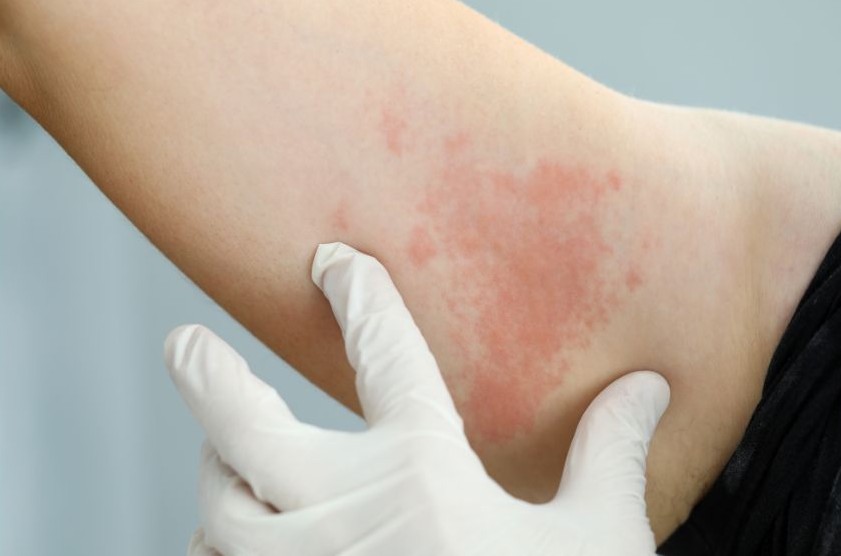
When gut health is compromised, the body may struggle to regulate histamine effectively. Histamine is involved in immune defence and digestion, but impaired gut function can lead to excess histamine or reduced breakdown by enzymes such as diamine oxidase (DAO). This can result in histamine reactions such as flushing, rashes, headaches, nausea, fatigue and digestive discomfort.
Viral infections such as COVID-19 have been shown to affect enzyme activity and immune balance, increasing the risk of histamine-related symptoms in susceptible individuals.
Immune Dysregulation
A significant portion of the immune system resides in the gut. When viral infections disrupt gut integrity and microbiome balance, immune signalling can become dysregulated. This may contribute to food sensitivities, autoimmune flares, mast cell activation and prolonged inflammatory responses following infection.
Long-Term Gut Effects After COVID-19 and Other Viral Illnesses
Post-viral gut symptoms are increasingly recognised, particularly in the context of long COVID. Individuals may experience ongoing bloating, diarrhoea, constipation, abdominal pain or food reactions months after the initial infection. These symptoms are often linked to persistent low-grade inflammation, altered microbiota and impaired gut barrier function.
Similar post-infectious patterns have been observed following other viral illnesses, even when the acute phase seemed mild.
Health Conditions Linked to Post-Viral Gut Disruption
Histamine Intolerance
Damage to the gut lining and reduced DAO activity can impair histamine breakdown, leading to intolerance symptoms such as headaches, flushing, nasal congestion, fatigue and digestive upset.
Food Sensitivities
Post-viral gut permeability may increase immune reactivity to foods that were previously well tolerated, resulting in new or worsening food sensitivities.
Post-Infectious IBS
Viral infections are a known trigger for post-infectious irritable bowel syndrome (IBS), characterised by ongoing changes in bowel habits, bloating and abdominal discomfort.
Supporting Gut Health After a Viral Infection
Restoring Microbiome Balance
Supporting gut bacteria through appropriate nutrition and, where suitable, carefully selected probiotics can help restore balance. Probiotic choice is important, as some strains may worsen histamine-related symptoms.
Supporting Gut Lining Repair
Key nutrients such as zinc, omega-3 fatty acids and targeted amino acids can support intestinal lining repair and reduce inflammation. Bone broth and nutrient-dense whole foods may also support recovery.
Histamine and DAO Support
For those experiencing histamine reactions, reducing high-histamine foods temporarily and supporting DAO activity may be helpful. This should always be done with professional guidance, as symptoms and tolerance can change as the gut heals.
Anti-Inflammatory Nutrition
An anti-inflammatory dietary approach focused on whole foods, adequate protein, healthy fats and reduced ultra-processed foods can support immune balance and gut recovery following viral illness.
To Sum It Up
Viral infections and gut health are deeply interconnected. Infections such as COVID-19, chickenpox, measles and mumps can have lasting effects on the gut, even after the acute illness has resolved. These changes may contribute to histamine reactions, immune dysregulation, food sensitivities and ongoing digestive symptoms.
By understanding the gut–virus connection and supporting recovery through personalised nutrition and lifestyle strategies, it is possible to reduce symptom burden and support long-term gut and immune health.